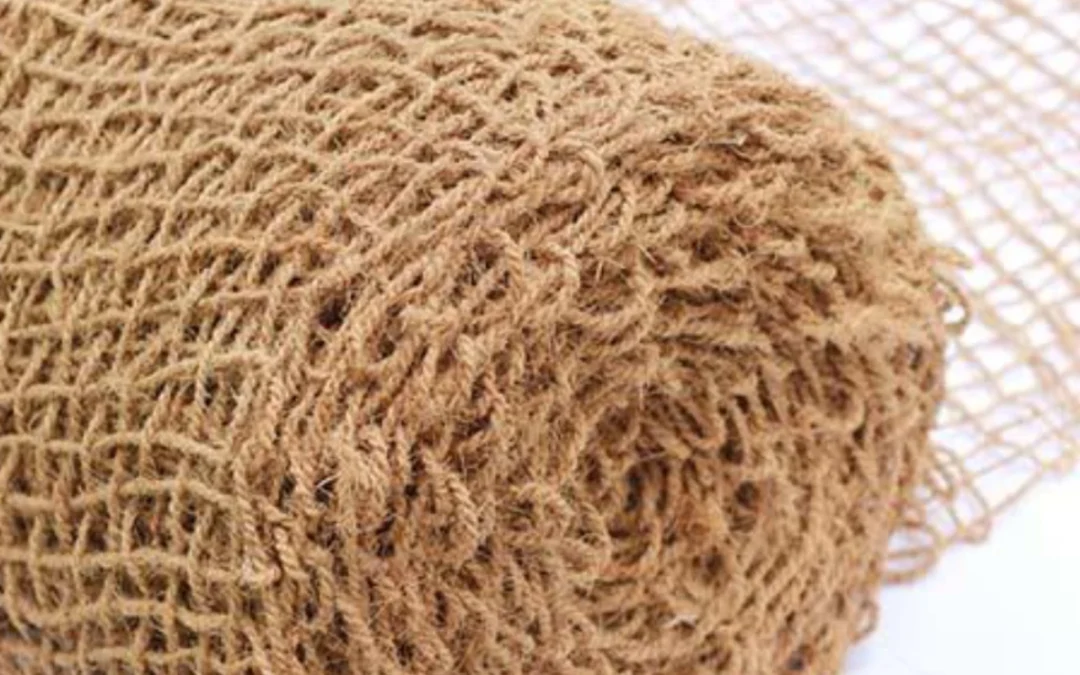
Sustainable materials play an increasingly important role in modern construction and environmental engineering. One material gaining global attention is coir geotextile fiber, derived from natural coconut husks. Engineers and landscapers frequently use this fiber to stabilize soil, control erosion, and support vegetation growth. Its biodegradable nature makes it an attractive alternative to synthetic geotextiles.
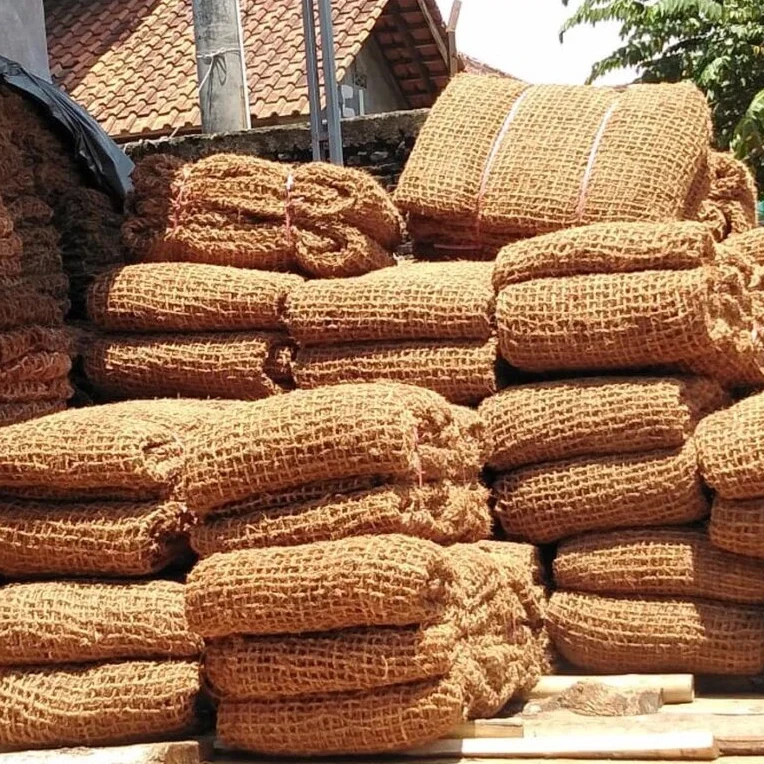
Coir geotextile fiber is produced by processing coconut husk fibers into woven or non-woven mats. These fibers are strong, durable, and resistant to environmental conditions such as moisture and microbial activity. Because the material originates from renewable coconut resources, it contributes to environmentally responsible construction practices. As sustainability becomes a priority, coir geotextile fiber continues to expand its role across various industries.
Coir Geotextile Fiber in Erosion Control Projects
One of the most common applications of coir geotextile fiber is erosion control. Soil erosion occurs when rainwater, wind, or surface runoff removes the top layer of soil. This process can damage landscapes, reduce soil fertility, and threaten infrastructure stability. Coir geotextile fiber provides an effective protective barrier that reduces soil displacement.
When installed on exposed slopes, the fiber mat holds soil particles in place. The natural texture of coir creates friction that prevents soil movement during rainfall or irrigation. At the same time, the structure allows water to pass through without washing away the soil beneath.
Coir Geotextile Fiber for Road and Infrastructure Development
Civil engineering projects often require reliable soil stabilization solutions. Coir geotextile fiber can support road construction, embankments, and drainage systems. When placed between soil layers, the fiber helps distribute loads and reduce soil movement. This reinforcement improves structural stability and prevents uneven settlement.
Roadside slopes and embankments benefit significantly from coir geotextile installations. The fiber layer protects newly constructed soil surfaces until vegetation grows naturally. Without this protection, rainfall could quickly erode freshly exposed soil. Using coir fiber ensures that slopes remain stable during the early stages of development.
Environmental Benefits of Coir Geotextile Fiber
Environmental sustainability represents one of the strongest advantages of coir geotextile fiber. Unlike synthetic geotextiles made from plastic polymers, coir fiber decomposes naturally after several years. This biodegradability eliminates long-term environmental pollution associated with plastic materials.
Coconut husks used for coir production are agricultural byproducts. Transforming these husks into geotextile fibers reduces waste while creating valuable products. This process supports circular resource utilization and sustainable manufacturing practices.
Advantages Over Synthetic Geotextile Materials
Coir geotextile fiber offers several advantages compared to synthetic alternatives. One major benefit is its high water absorption capacity. The natural fibers can retain moisture while maintaining airflow within the soil structure. This balance supports seed germination and plant growth.
The rough texture of coir fibers also improves soil anchoring. Soil particles attach more effectively to natural fibers than to smooth synthetic surfaces. This characteristic increases erosion resistance and enhances slope protection.
Furthermore, coir fiber remains durable even in challenging environmental conditions. It can withstand heavy rainfall and strong winds without losing structural integrity quickly. Although biodegradable, the fiber typically lasts long enough to support vegetation establishment before gradually breaking down.
Installation and Maintenance Considerations
Proper installation is essential for maximizing the performance of coir geotextile fiber. The soil surface should first be leveled and cleared of debris. The fiber mats are then unrolled across the slope or soil area that requires protection. Anchoring pins or stakes secure the material firmly to prevent movement.
Overlap between adjacent mats ensures continuous coverage and prevents gaps where erosion could occur. After installation, seeds or vegetation can be planted through openings in the fiber mat. This approach promotes rapid plant growth while maintaining soil protection.
Maintenance requirements are generally minimal. Once vegetation begins growing through the mat, the plant roots gradually take over the stabilization function. At that point, the coir fiber slowly decomposes and blends into the soil naturally.
Conclusion: Why Coir Geotextile Fiber Is a Sustainable Engineering Solution
Coir geotextile fiber provides an effective and environmentally responsible solution for erosion control and soil stabilization. Its natural strength, moisture retention ability, and biodegradability make it highly suitable for construction and landscaping projects. From slope protection to infrastructure development, the fiber supports both structural stability and ecological restoration.
As industries move toward greener construction practices, natural materials continue gaining importance. Coir geotextile fiber represents a practical alternative to synthetic geotextiles while supporting sustainable resource use. By choosing this renewable material, engineers and landscapers contribute to long-term environmental protection and resilient infrastructure development.
If you are ready to explore high-quality coir geotextile from a reliable Indonesian supplier, Indonesia Coco Peat is here to help. We provide premium coconut husk, coco peat, and coconut fiber solutions tailored to your industry needs.
Contact Indonesia Coco Peat today to request product details, samples, or a custom quotation. Let us support your business with sustainable virgin coconut oil solutions that deliver performance and environmental value.
For more information about the coir geotextile, you can contact via WhatsApp (+62) 812-1233-3590 or by email at [email protected].