
Perlite
The Secret to Healthier Roots and Thriving Gardens
Lightweight Power for Superior Growth
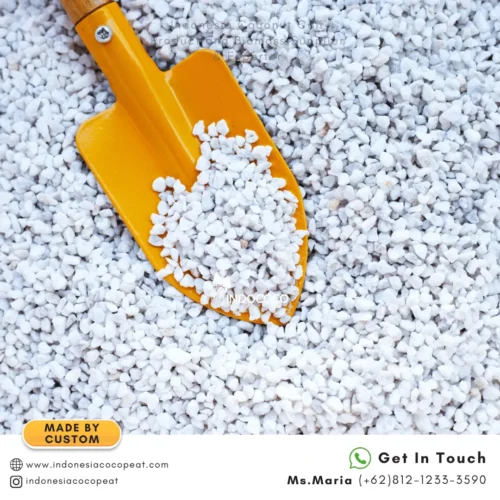
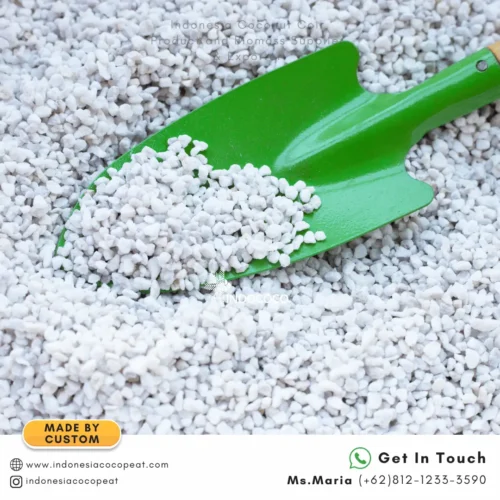
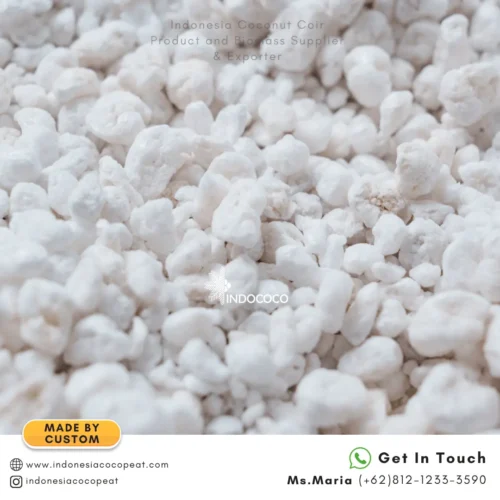
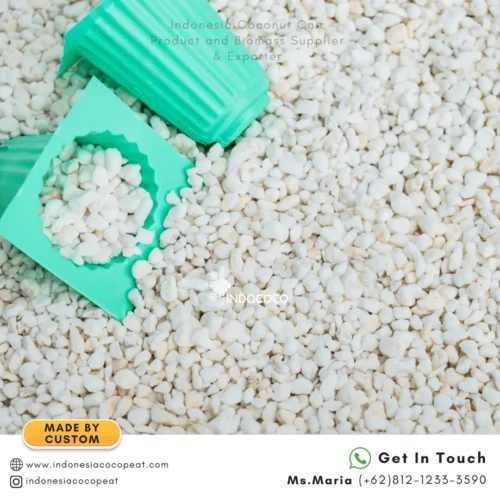
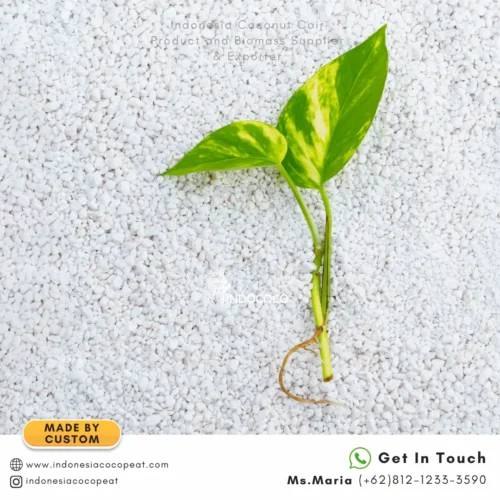
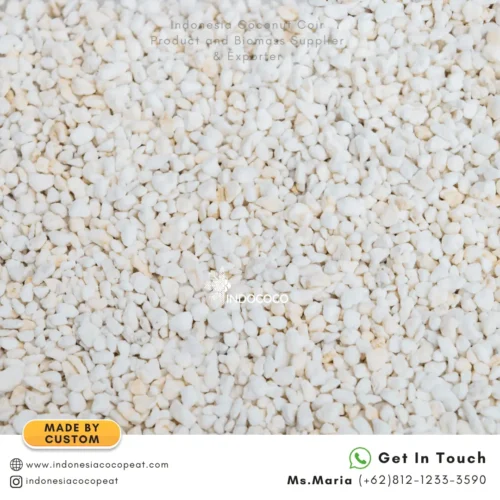
Discover the power of our premium garden perlite, a sterile and lightweight growing additive derived from expanded volcanic rock. This unique perlite medium is the perfect component for any soil, providing essential aeration and drainage that allows plant roots to breathe and grow stronger.
Perfect Soil, Healthier Plants
Our horticultural perlite is an essential component for creating the ideal root environment. By improving drainage and preventing soil compaction, this natural additive ensures your plants get the optimal balance of air and water they need. Whether used in a custom perlite potting mix or for large-scale agricultural applications, its benefits are undeniable. This is why this expanded volcanic rock is good for plants, promoting vigorous growth from the seed up.
Advantages of Indococo Perlite
- Optimizes Soil Aeration and Drainage
One of the primary perlite uses is to improve soil structure by creating air pockets within the medium. This prevents perlite soil from becoming compacted, ensuring excellent drainage and protecting roots from rot. It is the most effective way to create a robust foundation for any plant. -
Retains the Perfect Amount of Moisture
While it excels at draining excess water, this volcanic mineral also helps maintain ideal moisture levels. The surface of each particle holds water and releases it slowly to the roots as needed. This creates a buffer against both overwatering and underwatering. -
Completely Sterile and pH Neutral
Processed at extremely high temperatures, this medium is sterile and free from weeds, diseases, and pests. Its neutral pH ensures it will not alter the chemistry of your soil or nutrient solution. This makes it an exceptionally safe choice for germinating seeds and rooting cuttings. - Extremely Lightweight and Easy to Handle
This volcanic mineral is incredibly lightweight, significantly reducing the weight of pots and containers. This makes it the perfect solution for container gardening, rooftop gardens, and vertical farming systems. Its light weight also reduces shipping costs, making it an economical choice for purchasing perlite in bulk for agricultural perlite applications.
How to Use Perlite
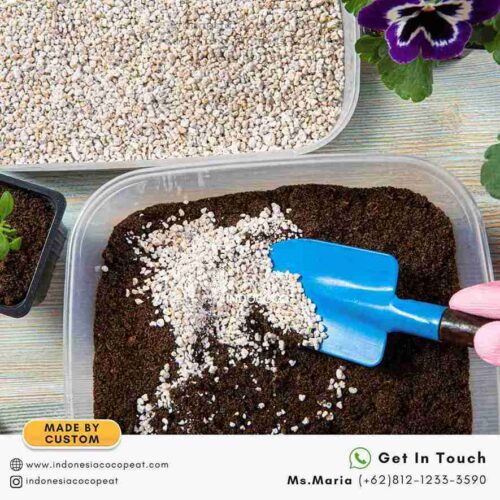
- For a general perlite soil mix, blend this additive with potting soil, coco coir, or peat moss. A common perlite ratio to soil that works well for a wide range of plants is approximately 1 part of the additive to 2 or 3 parts of your main growing medium.
- Create a superior perlite potting mix for houseplants, succulents, and cacti that require excellent drainage by using a higher ratio, such as a 1:1 perlite mix with soil. This ensures water drains quickly and prevents root rot.
- Use our perlite coarse grade as a standalone growing medium for hydroponic systems like drip irrigation or Dutch buckets, providing stable, inert support for roots while allowing for optimal nutrient solution flow.
- For seed starting, a fine-grade mixture with vermiculite creates a sterile, lightweight, and moisture-retentive environment that is perfect for healthy seed germination and early root development.
Frequently Asked Questions (FAQ)
What is perlite used for?
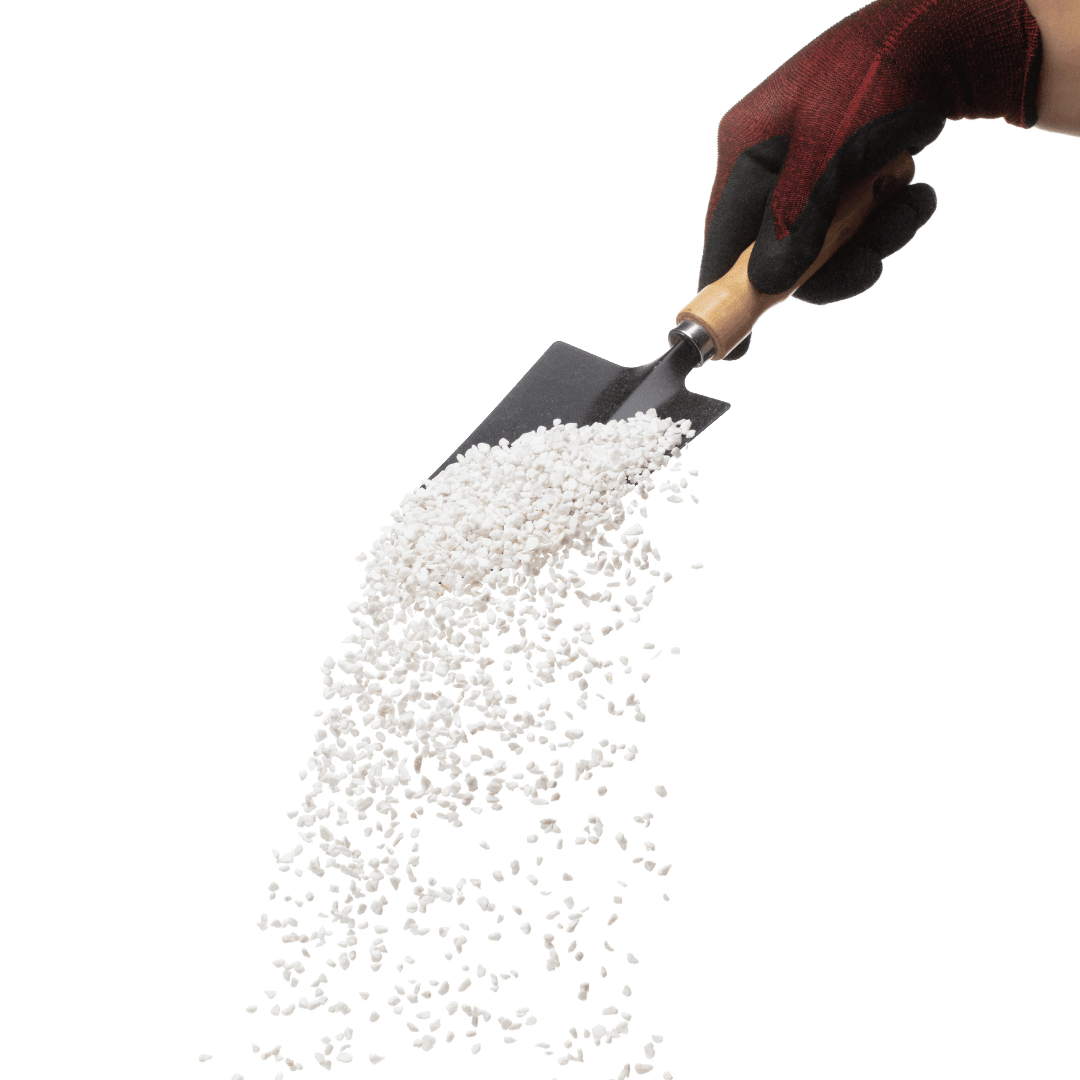
The main perlite uses in gardening are to improve soil aeration and drainage, lighten heavy soils, and prevent compaction. It is widely used in potting mixes, as a standalone medium for hydroponics, and for starting seeds. You can read our article for more information.
Should I add perlite to potting soil?
Absolutely. Adding agricultural perlite to potting soil is highly recommended. It creates a lighter, better-draining perlite soil that promotes stronger root growth and helps prevent overwatering.
Can you use too much perlite in soil?
Yes, using too much can cause the soil to dry out too quickly and struggle to retain nutrients. The ideal perlite ratio to soil depends on the plant’s specific needs.
What plants should not use perlite?
While the vast majority of plants benefit from it, certain moisture-loving plants that thrive in dense, bog-like conditions (like some carnivorous plants) may require a medium with less drainage than what a typical perlite soil mix provides.