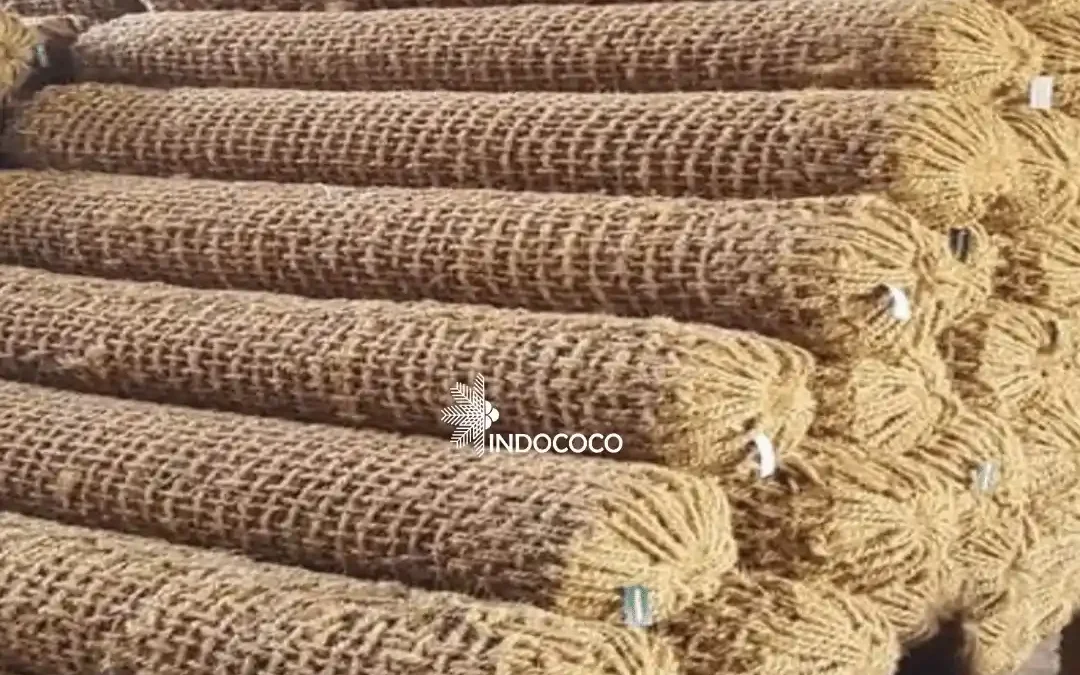
A Coir Logs Supplier provides natural solutions for projects dealing with soil erosion, unstable shorelines, and damaged landscapes. Coir logs are cylindrical structures made from coconut fiber and enclosed within durable coir netting. Their flexible construction allows them to follow natural land contours while protecting vulnerable soil from water movement.
Unlike permanent barriers made from concrete or plastic, coir logs work together with vegetation and surrounding ecosystems. They provide immediate physical protection while creating favorable conditions for plant establishment. Over time, growing roots gradually strengthen the soil as the coconut fibers naturally decompose.
This combination of temporary protection and long-term ecological recovery makes coir logs useful across many environmental projects. However, product quality and suitable specifications remain essential for achieving effective results in the field.
How a Coir Logs Supplier Supports Erosion Control Projects
An experienced Coir Logs Supplier helps contractors and environmental planners obtain materials suitable for different site conditions. Erosion problems can vary considerably depending on water flow, slope characteristics, soil composition, and surrounding vegetation.
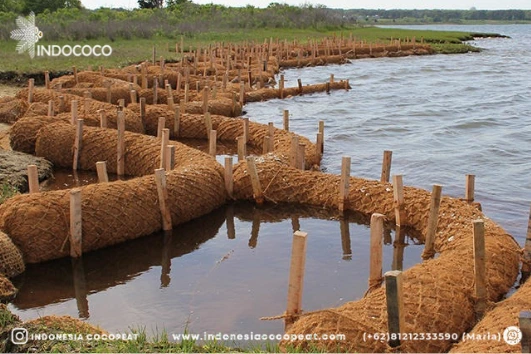
Coir logs are commonly installed along riverbanks, lake edges, drainage channels, and other vulnerable areas. Their dense coconut fiber filling helps reduce water velocity near exposed soil. This protection can limit further soil loss during the early stages of restoration.
In some projects, vegetation is planted directly around or through the coir structures. As roots develop, they create a stronger natural system for holding soil together. The logs eventually biodegrade after vegetation becomes established.
Where Coir Logs Deliver the Greatest Value
Riverbank restoration is one of the most familiar applications for coir logs. Flowing water can gradually remove exposed soil, particularly where vegetation has been disturbed. Installing coir logs along vulnerable edges provides a protective buffer during ecological recovery.
Wetland projects can also benefit from these natural structures. Coir logs help define restoration areas, retain sediment, and support the establishment of suitable plants. Their organic appearance allows them to integrate naturally into sensitive environments.
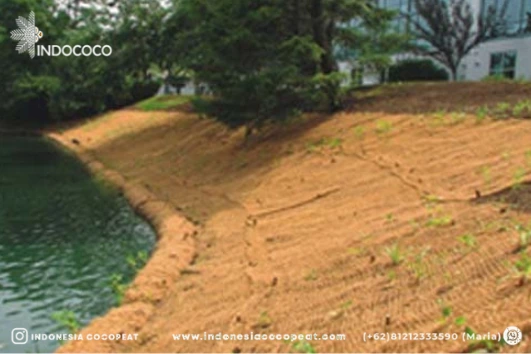
Landscape contractors may use coir logs around ponds, slopes, or drainage areas where soil movement creates maintenance problems. They can also support rehabilitation efforts following construction or land development activities.
Product Factors to Discuss with a Coir Logs Supplier
Before placing an order, buyers should communicate clearly with their Coir Logs Supplier about the intended project. Dimensions are an important consideration because the required diameter and length may depend on installation conditions.
Fiber density can also influence performance. A well-constructed log should maintain its form during handling and installation while providing adequate resistance against environmental forces. Consistent filling helps create predictable performance throughout the project area.
The surrounding netting must securely contain the coconut fiber. Construction quality becomes especially important when products are transported, stored, and installed across challenging terrain.
Why Natural Fiber Matters in Restoration Work
Environmental restoration often requires materials that protect the land without becoming permanent waste. Coir offers a practical advantage because it originates from coconut husks, a renewable agricultural resource.
The fibers naturally withstand outdoor conditions long enough to support vegetation establishment. Instead of remaining indefinitely at the project site, they gradually break down as the restored ecosystem becomes stronger.
This characteristic makes coir logs particularly suitable for projects seeking nature-based erosion control methods. They can provide structural support without introducing long-lasting synthetic materials into environmentally sensitive locations.
Selecting a Coir Logs Supplier for Bulk Requirements
Large environmental projects often require significant quantities of erosion control materials. Therefore, choosing a Coir Logs Supplier involves evaluating more than the product itself. Production capacity, order consistency, and delivery planning should also receive attention.
A supplier should provide clear information about available sizes and manufacturing capabilities. Accurate lead times allow contractors to coordinate material arrival with site preparation and installation schedules.
For international purchases, export experience becomes another valuable consideration. Proper packaging and organized documentation can help products move through the supply chain more efficiently.
From Installation to Natural Vegetation Recovery
Coir logs are not intended to replace vegetation permanently. Instead, they create a protected transition period while plants establish stronger root networks within vulnerable soil.
After installation, the logs reduce direct exposure to moving water and help capture sediment. Vegetation can then develop under more stable conditions, depending on the project design and local environment.
As roots spread, they gradually become the primary source of soil reinforcement. Meanwhile, the coconut fibers begin their natural decomposition process without requiring removal from the site.
Conclusion
A reliable Coir Logs Supplier can support riverbank protection, wetland restoration, landscaping, and other erosion control projects with natural coconut fiber products. Coir logs provide immediate soil protection while creating conditions that encourage vegetation and long-term ecological recovery.
Successful procurement begins with understanding site requirements and selecting appropriate product specifications. Buyers should consider construction quality, production capacity, communication, packaging, and delivery reliability before establishing a supplier partnership.
As interest in nature-based restoration continues to expand, coir logs offer a practical connection between environmental protection and renewable materials. The right supplier can help ensure these products reach projects with the consistency and quality required for effective implementation.
If you are ready to explore high-quality coir logs from a reliable Indonesian supplier, Indonesia Coco Peat is here to help. We provide premium coconut husk, coco peat, and coconut fiber solutions tailored to your industry needs.
Contact Indonesia Coco Peat today to request product details, samples, or a custom quotation. Let us support your business with sustainable virgin coconut oil solutions that deliver performance and environmental value.
For more information about the rice husk, you can contact via WhatsApp (+62) 812-1233-3590 or by email at [email protected].