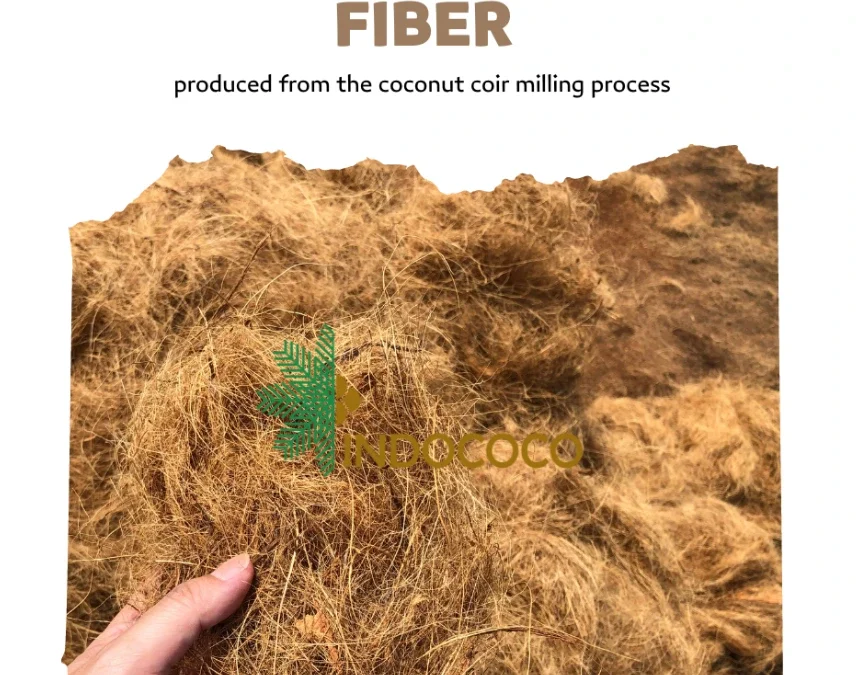
Coconut fiber, also known as coir, has become one of the most valuable natural materials in modern industries. Extracted from the husk of coconuts, it offers durability, flexibility, and environmental advantages. Many sectors now rely on this renewable resource for agricultural, construction, and household applications. Understanding coconut fiber benefits helps businesses and consumers make smarter, eco-friendly choices.
Unlike synthetic materials, coconut fiber is biodegradable and sourced from agricultural waste. This makes it both cost-effective and environmentally responsible. Its strong yet lightweight structure allows it to perform well in demanding conditions. As sustainability becomes more important, coconut fiber continues gaining global recognition.
Coconut Fiber Benefits for Agriculture and Gardening
One of the most recognized coconut fiber benefits is its role in agriculture and horticulture. Farmers and gardeners appreciate its ability to improve soil structure and water retention. Coconut fiber holds moisture efficiently while maintaining proper aeration around plant roots. This balance helps prevent root rot and encourages healthy growth.
In hydroponic systems, coconut fiber serves as a reliable growing medium. It provides consistent support for plants without compacting over time. Unlike peat moss, coconut fiber is renewable and has a lower environmental impact. This makes it an attractive alternative for sustainable farming operations.
Additionally, coconut fiber enhances nutrient retention in soil. It reduces leaching and helps plants absorb essential minerals more effectively. Crops grown with coconut fiber often show stronger root systems and improved resilience. For organic farming, this material fits perfectly within eco-conscious practices.
Environmental Coconut Fiber Benefits
Sustainability is a major reason why industries embrace coconut fiber. The material comes from coconut husks, which were once considered waste. By transforming this byproduct into valuable goods, manufacturers reduce landfill pressure and promote circular production systems. This process supports environmentally responsible supply chains.
Coconut fiber is fully biodegradable and decomposes naturally over time. Unlike plastic-based materials, it does not release harmful microplastics into the environment. This makes it suitable for erosion control blankets and landscaping applications. Natural decomposition also enriches the soil rather than polluting it.
Carbon footprint reduction is another advantage. Coconut palms continuously produce fruit, making the fiber supply renewable year after year. Harvesting coconut fiber does not require cutting down trees. As a result, it supports long-term environmental balance and responsible resource management.
Coconut Fiber Benefits in Home and Industrial Applications
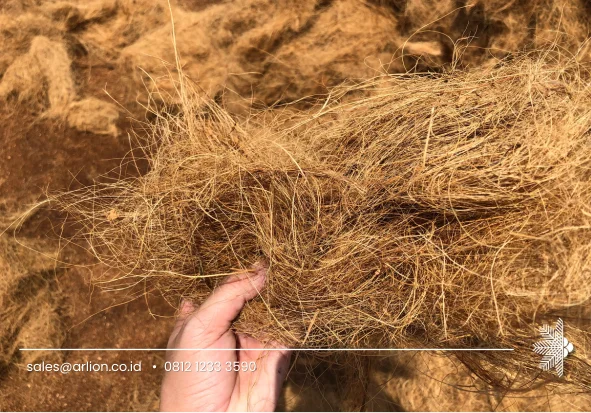
Beyond agriculture, coconut fiber plays a significant role in home and industrial products. It is commonly used in mattresses, brushes, ropes, and doormats. The fiber’s natural elasticity provides comfort and durability in bedding products. Consumers often choose coconut fiber mattresses for better airflow and firm support.
In construction, coconut fiber reinforces composite materials and improves structural strength. It offers a lightweight alternative to synthetic reinforcements. Builders value its resistance to saltwater and microbial damage. These qualities make it suitable for coastal and humid environments.
Coconut fiber also demonstrates impressive durability in rope production. The fibers resist stretching and maintain strength under tension. Historically, coir ropes were widely used in marine applications. Even today, they remain a trusted natural solution for demanding outdoor conditions.
Economic and Practical Benefits
Coconut fiber offers cost efficiency for producers and buyers alike. Since it utilizes coconut husk waste, raw material costs remain relatively stable. Producing coconut fiber products often requires less energy than manufacturing synthetic materials. This contributes to competitive pricing in global markets.
The fiber’s durability ensures long product lifespans. Items made from coconut fiber withstand moisture, friction, and temperature variations. This reduces replacement frequency and long-term expenses. Businesses benefit from reliable performance and minimal maintenance requirements.
Transportation efficiency is another practical advantage. Coconut fiber products are lightweight yet strong. This combination reduces shipping costs without sacrificing functionality. Global exporters increasingly choose coconut fiber for its logistical benefits.
Conclusion: Why Coconut Fiber Benefits Matter Today
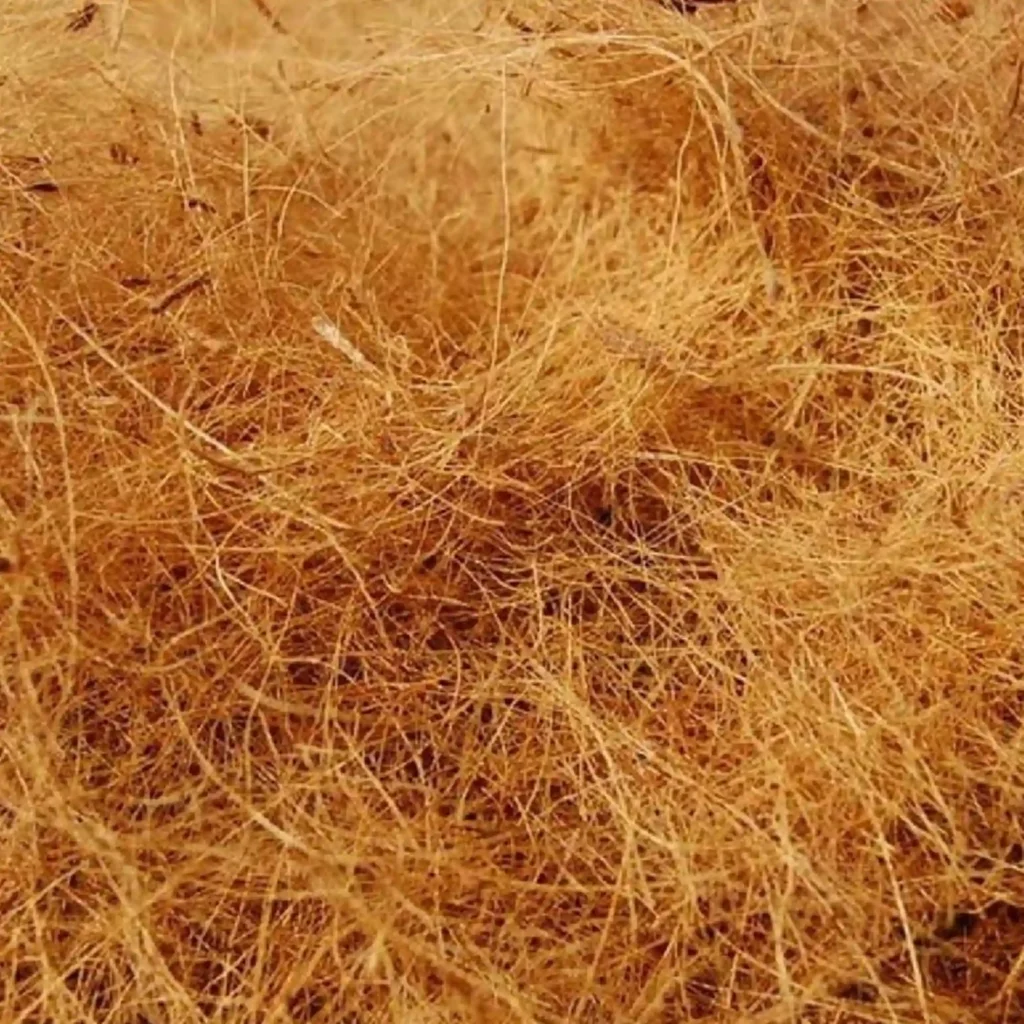
Coconut fiber benefits extend across agriculture, industry, and everyday household use. Its renewable origin makes it an environmentally responsible material for modern production. At the same time, its durability and versatility provide practical value for businesses and consumers alike. Few natural materials offer this balance between sustainability and performance.
From improving soil health to enhancing home comfort, coconut fiber proves its wide-ranging usefulness. It supports eco-friendly farming, strengthens industrial products, and promotes healthier indoor environments. These advantages continue to drive global demand for coconut-based materials. As sustainability becomes a priority worldwide, coconut fiber stands out as a smart long-term solution.
Choosing coconut fiber is not simply a trend. It reflects a conscious shift toward renewable resources and responsible manufacturing. With growing innovation and awareness, coconut fiber will remain an essential material in the future of sustainable development.
If you are ready to explore high-quality coconut fiber from a reliable Indonesian supplier, Indonesia Coco Peat is here to help. We provide premium coconut husk, coco peat, and coconut fiber solutions tailored to your industry needs.
Contact Indonesia Coco Peat today to request product details, samples, or a custom quotation. Let us support your business with sustainable coconut husk solutions that deliver performance and environmental value.
For more information about the coconut fibre rope, you can contact via WhatsApp (+62) 812-1233-3590 or by email at [email protected].