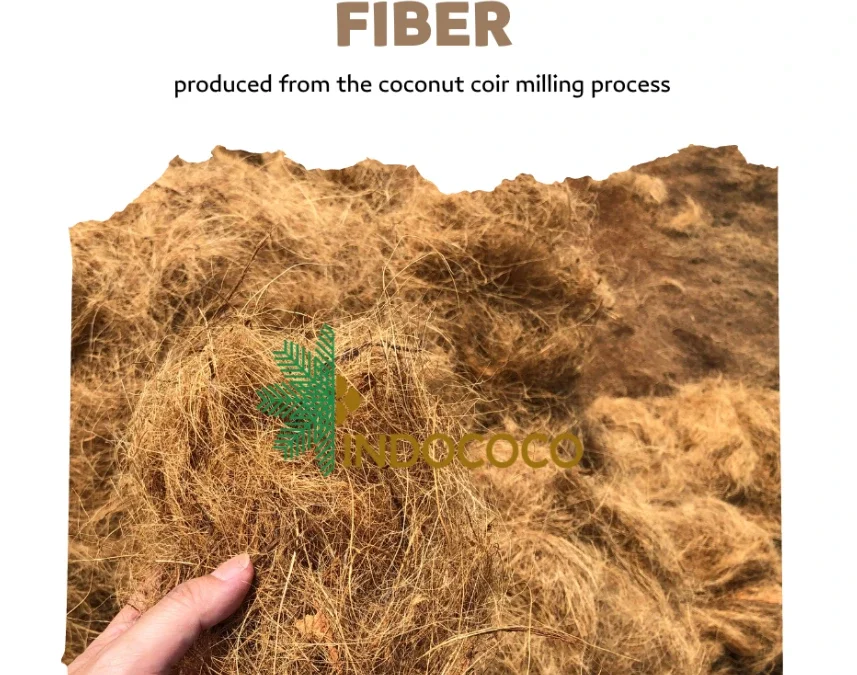
Coconut fiber sheet is a natural material made from processed coconut husk fibers formed into durable, flexible sheets. This eco-friendly product is increasingly used in agriculture, landscaping, and green construction projects worldwide.
As industries shift toward sustainable materials, coconut fiber sheet offers a reliable alternative to synthetic products that harm the environment.
Derived from renewable coconut resources, coconut fiber sheet supports sustainability while delivering strong performance in various practical applications. Its biodegradable nature makes it suitable for projects that prioritize environmental responsibility without sacrificing functionality.
What Is a Coconut Fiber Sheet?
A coconut fiber sheet is produced from coconut husk fibers, also known as coco fiber, which are mechanically processed and compressed into flat sheet forms. In some cases, natural latex is used as a binding agent to improve structural integrity and durability.
Unlike loose coco fiber or cocopeat, this sheet format provides better stability and easier handling.
The material is non-toxic, biodegradable, and safe for plants and soil. These characteristics make coconut fiber sheet ideal for long-term outdoor and agricultural use, especially in sustainable farming systems.
Key Properties and Natural Characteristics
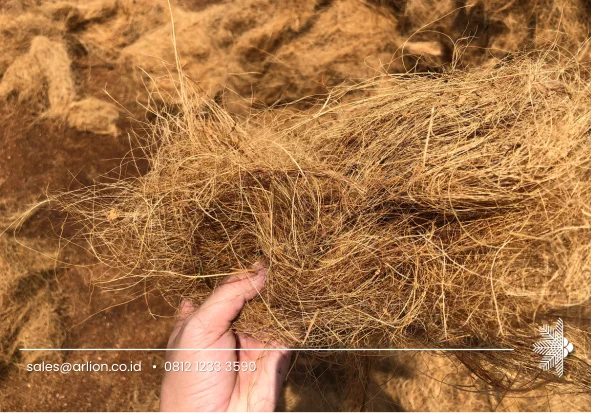
Coco fiber sheet has a coarse fibrous texture with natural porosity. This structure allows air and water to circulate efficiently. As a result, it supports healthy root development while preventing excessive water retention.
The fibers are naturally resistant to moisture, fungi, and decomposition. This resistance ensures a longer lifespan compared to many other organic materials. Additionally, coconut fiber sheet remains flexible and can be easily cut or shaped for different project needs.
Advantages of Using Coconut Fiber Sheet
Choosing coconut fiber sheet provides multiple benefits across various industries.
- First, it is an environmentally friendly product made from renewable agricultural waste. This helps reduce coconut husk disposal issues while supporting circular economy practices.
- Second, coconut fiber sheet offers excellent durability in both wet and dry conditions. It maintains structural integrity even when exposed to outdoor environments.
- Third, the material promotes plant health by maintaining balanced moisture levels and adequate oxygen flow around roots.
- Fourth, its lightweight nature simplifies installation and transportation. This reduces labor and logistics costs for large-scale projects.
- Finally, coconut fiber sheet is free from harmful chemicals, making it suitable for organic farming and eco-certified developments.
Applications in Agriculture and Urban Farming
In agriculture, coconut fiber sheet is widely used as a growing support layer, pot liner, and protective mat for plant roots. It works effectively in greenhouses, nurseries, and open-field farming systems.
Urban farming projects also favor coconut fiber sheet because it is clean, lightweight, and easy to manage. The material adapts well to balconies, rooftops, and vertical gardens where space is limited. Its natural fibers help regulate moisture while keeping growing areas tidy and manageable.
Landscaping and Erosion Control Uses
Coconut fiber sheet plays an important role in landscaping and environmental restoration. It is commonly applied as an erosion control mat on slopes, riverbanks, and construction sites. The fibrous structure stabilizes soil while allowing vegetation to grow naturally.
Over time, the sheet decomposes and enriches the soil with organic matter. This process supports long-term land rehabilitation without leaving synthetic waste behind.
Role in Sustainable Construction
In the construction sector, coconut fiber sheet is used as a natural geotextile, insulation layer, and biodegradable reinforcement material. Green building projects prefer coconut fiber sheet because it aligns with sustainability standards and reduces reliance on plastic-based materials.
The sheet also provides sound absorption and thermal insulation benefits in certain applications. These features make it valuable in eco-friendly infrastructure and low-impact construction designs.
Global Market Potential and Export Value
The global demand for coconut fiber sheet continues to grow due to increased awareness of sustainable materials. Markets focused on organic agriculture, urban landscaping, and green construction show strong interest in this product.
Coconut fiber sheet is available in various thicknesses, densities, and dimensions. This flexibility allows manufacturers to meet different international standards and customer requirements. Its lightweight form also supports efficient packaging and export logistics.
Conclusion
Coconut fiber sheet is a versatile, durable, and sustainable material derived from natural coconut fibers. Its wide range of applications in agriculture, landscaping, and construction makes it an ideal solution for environmentally conscious projects.
By choosing coconut fiber sheet, businesses and growers contribute to sustainability while benefiting from reliable performance.
If you are ready to explore high-quality coco fiber products from a reliable Indonesian supplier, Indonesia Coco Peat is here to help. We provide premium coconut husk, coco peat, and coconut fiber solutions tailored to your industry needs.
Contact Indonesia Coco Peat today to request product details, samples, or a custom quotation. Let us support your business with sustainable coconut husk solutions that deliver performance and environmental value.
For more information about the cocopeat bricks, you can contact via WhatsApp (+62) 812-1233-3590 or by email at [email protected].