Coco peat for sustainable farming is gaining global recognition as a game-changer in environmentally friendly agriculture. Derived from coconut husk fibers, coco peat is an organic growing medium that enhances soil health, improves water retention, and promotes eco-conscious farming. As farmers and agricultural businesses seek greener methods to increase yield while preserving the environment, coco peat offers a powerful and natural solution.

In this article, we will explore what coco peat is, its benefits, and how it supports sustainable farming practices across various applications. Whether you’re a commercial farmer or a home gardener, understanding the potential of coco peat for sustainable farming can help you make smarter, more eco-friendly decisions in your agricultural activities.
What Is Coco Peat?
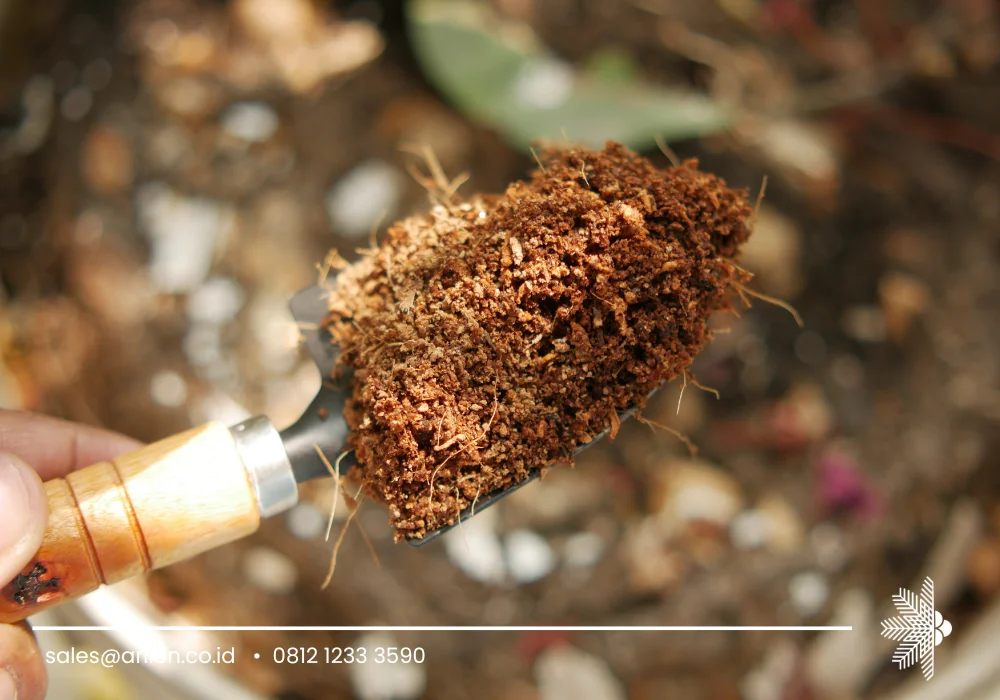
Coco peat, also known as coir pith or coir dust, is a spongy, fibrous material produced from the processing of coconut husks. It is a byproduct obtained after extracting coir fiber from the husk. Instead of being discarded, this leftover material is cleaned, dried, and sieved into a fine, uniform texture, ready to be used as a soil conditioner or growing medium.
Coco peat for sustainable farming is valued for its ability to retain water, resist fungal growth, and improve aeration in the root zone. It has a neutral to slightly acidic pH (typically between 5.5 and 6.8), making it compatible with a wide range of crops and suitable for organic farming systems.
Why Choose Coco Peat for Sustainable Farming?
1. Renewable and Eco-Friendly
One of the biggest advantages of coco peat for sustainable farming is that it comes from a renewable source. Every year, millions of coconuts are harvested around the world, and their husks often go to waste. By converting these husks into coco peat, we reduce agricultural waste and create a circular economy where nothing is wasted.
Unlike peat moss, which is harvested from slowly regenerating peat bogs and contributes to habitat loss and carbon emissions, coco peat is biodegradable and abundant. Its production has a far lower ecological footprint, making it a responsible choice for environmentally conscious farmers.
2. Excellent Water Retention and Drainage
Coco peat for sustainable farming can absorb up to eight times its weight in water. This high water-holding capacity reduces the need for frequent irrigation, especially in dry regions or during dry seasons. At the same time, coco peat drains excess water efficiently, preventing root rot and improving oxygen flow to the roots.
This dual ability to retain moisture while ensuring proper aeration makes coco peat ideal for hydroponics, container gardening, and areas with water scarcity.
3. Enhances Soil Structure
When mixed with traditional soil, coco peat loosens compacted soils and improves their texture. It helps sandy soils hold nutrients and water more effectively and prevents clay soils from becoming too dense. By enhancing soil structure, coco peat promotes healthier root development and boosts plant resilience.
4. Pest and Disease Resistance
Another reason coco peat for sustainable farming is gaining popularity is its resistance to common soil-borne pests and diseases. Its sterile, low-pathogen environment reduces the chances of contamination and minimizes the need for chemical pesticides or treatments.
5. Versatile and Easy to Use
Coco peat can be used in various farming setups, including:
- Hydroponic farming systems
- Seedling nurseries
- Greenhouse cultivation
- Potting mixes for container plants
- Soil amendments for open-field agriculture
Its lightweight nature also makes transportation and handling easier compared to other soil additives.
Applications of Coco Peat for Sustainable Farming
Coco peat’s versatility is one of its most valuable traits in sustainable farming:
Hydroponics and Soilless Media
Coco peat provides an inert, sterile medium that supports root structure in hydroponic systems. It holds nutrients and delivers them to roots evenly, enhancing crop health and yield without traditional soil.
Composting and Organic Farming
As a carbon-rich “brown” material, coco peat is excellent for balancing nitrogen-rich green waste in composting. It accelerates decomposition and produces nutrient-rich compost, further supporting organic agriculture practices.
Seed Starting and Greenhouses
Coco peat is commonly used in seedling trays and greenhouses, offering consistent moisture and temperature control. Seeds germinate faster and grow uniformly in this medium.
The Future of Eco-Friendly Agriculture
With the growing global focus on sustainability, the use of coco peat for sustainable farming will continue to rise. Its environmental benefits, ease of use, and compatibility with organic practices make it a go-to solution for farmers who care about long-term soil health and food security.
Whether you’re dealing with poor soil, water shortages, or the need to reduce chemical inputs, coco peat can help you build a more sustainable and productive agricultural system.
For more information, feel free to contact us via WhatsApp (+62) 812-1233-3590 or send an email to [email protected]. Our team is ready to assist you in choosing the right coco peat solution for your sustainable farming needs.
Read More: