
Background
Shade sail in coconut has become a significant topic in recent environmental and industrial discussions, especially as communities and businesses seek more sustainable solutions to everyday challenges. As the world faces increasing temperatures, coastal erosion, and extreme weather conditions, the need for durable and eco-friendly shade structures has grown rapidly. Coconut-producing regions, particularly in Southeast Asia, have explored innovative methods to transform agricultural resources into value-added products that can support outdoor comfort while minimizing environmental impact. The development of shade sail in coconut reflects a growing commitment to reducing waste, improving efficiency, and meeting global demands for sustainable building and shading materials.
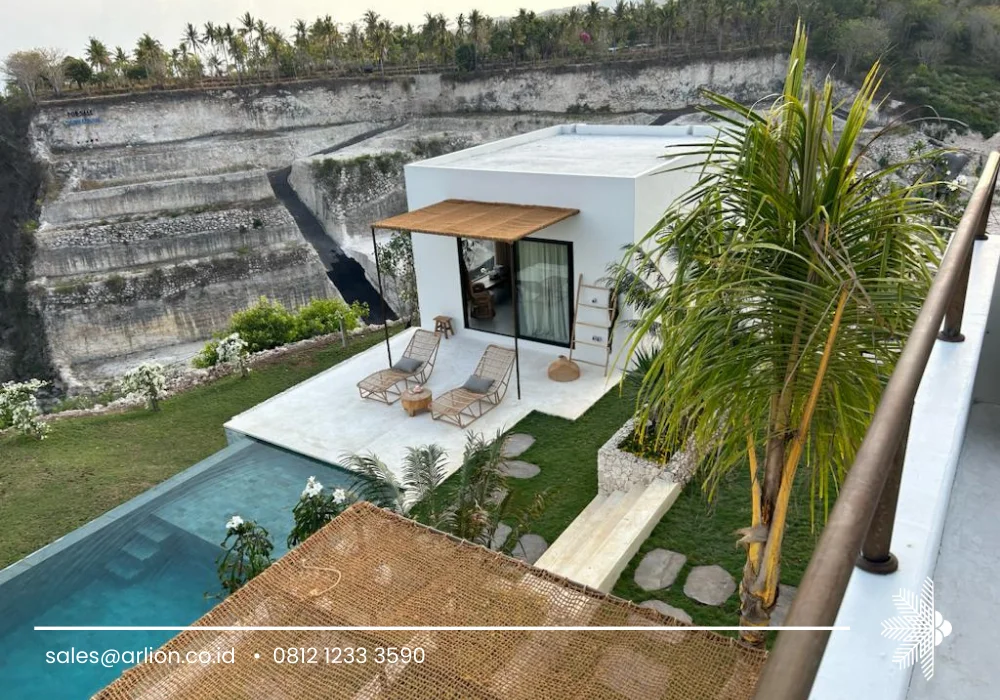
As one of the world’s largest coconut producers, Indonesia generates large volumes of by-products such as husks, shells, and coir fibers. Traditionally, these materials were discarded or burned, contributing to environmental problems. However, ongoing research and industrial initiatives have demonstrated that coconut derivatives can be processed into strong, weather-resistant fibers with potential applications in tensile structures, including shade canopies, outdoor sails, and architectural installations. The increasing attention toward shade sail in coconut marks a shift toward circular economy practices and renewable material utilization.
Environmental and Economic Significance
The introduction of shade sail in coconut offers multiple environmental benefits. Coir fiber, a natural product derived from coconut husks, is biodegradable, low in carbon footprint, and fully renewable. Compared to synthetic fabrics such as polyester or PVC, coconut-based fibers break down naturally in the environment without releasing microplastics or chemical residues. This makes them an attractive solution for organizations striving to reduce pollution and embrace green construction standards.
Economically, coconut-based shading systems create new opportunities for local industries and small entrepreneurs. Shade sail in coconut supports the establishment of new processing and manufacturing centers, particularly in rural areas where coconut farming is widespread. Instead of exporting raw coconut materials with low profit margins, communities can now produce finished products that command higher value in domestic and international markets. This shift enhances local earnings, increases employment opportunities, and strengthens rural industrial development.
On a larger scale, the growing demand for environmentally friendly shading products aligns with global climate strategies. Cities facing rising urban temperatures are increasingly investing in shade structures to protect public areas, reduce heat stress, and improve outdoor livability. As awareness grows, shade sail in coconut is positioned to become a recognized commercial product in the global sustainable shading market.
Technological Development and Production Process
The manufacturing process of shade sail in coconut involves several stages of husk preparation, fiber extraction, weaving, and reinforcement. First, coconut husks are soaked and mechanically processed to separate coir strands. These fibers are then dried, cleaned, and woven into durable fabric sheets using industrial looms. Additional treatments such as natural resin coating or heat compression can enhance tensile strength, UV resistance, and waterproofing without compromising biodegradability.
Advancements in mechanical engineering have made it possible to blend coir fibers with other natural or recycled materials, increasing performance standards for demanding outdoor conditions. While shade sail in coconut is not yet as widely produced as synthetic-based sails, ongoing research is closing the gap in strength, elasticity, and long-term durability. Local universities and research centers in Indonesia and other coconut-producing countries are actively collaborating with industry specialists to refine production methods and develop new product standards.
Applications in Urban and Public Spaces
Shade sail in coconut is particularly suitable for outdoor environments that prioritize environmental aesthetics and sustainability. Public parks, beachfront promenades, urban walkways, resort areas, and tropical recreation zones have begun adopting natural-fiber shade structures as alternatives to plastic-based fabrics. Beyond shading, coconut-based materials also blend well with natural landscapes and architectural designs centered on eco-tourism.
In hot and humid regions, access to affordable and environmentally responsible shade is essential for supporting outdoor community activities. Shade sail in coconut can reduce ground heat absorption, protect users from harmful UV radiation, and create more comfortable microclimates in public spaces. With increasing awareness of climate-safe city planning, municipalities and developers are exploring natural-fiber shading solutions as part of long-term infrastructure strategies.
Challenges and Opportunities Ahead
While the market potential is strong, several challenges still affect large-scale adoption of shade sail in coconut. The industry requires expanded processing facilities, long-term research investment, and standardized quality benchmarks. Consistency in fiber strength, weather resistance, and large-scale production capacity must reach industrial levels to compete directly with conventional materials.
However, the growing global push for sustainable construction materials is creating momentum. Consumer preference is shifting from disposable products to natural and responsibly produced goods, opening doors for innovation. Governments that support green industries through policy, certification, and tax incentives can accelerate development and bring shade sail in coconut into mainstream architecture and design markets.
Future Prospects in the Renewable Materials Industry
Looking forward, shade sail in coconut is expected to gain traction as part of the broader natural fiber revolution. As renewable material technologies mature, coconut-based composites may be used not only in shading structures but in paneling, roofing, textile engineering, and even transportation manufacturing. Asia’s abundant coconut production gives it a strategic advantage in supplying global demand while transforming agricultural waste into high-value commodities.
International buyers, architects, environmental planners, and construction firms are beginning to recognize the long-term benefits of sustainable materials. With increasing pressure to reduce dependence on fossil-based industries, shade sail in coconut represents a promising synergy between traditional resources and modern engineering.
Conclusion
Shade sail in coconut symbolizes a shift in how natural materials can be applied to modern infrastructure challenges. By turning agricultural by-products into functional, high-performance shading solutions, communities can reduce environmental impact, boost local industry, and support global climate initiatives. The combination of renewable resources, expanding technology, and rising market awareness positions this product as a strong contender in the sustainable building sector.
For more information about shade sail in coconut and sustainable coconut-based industrial products, contact via WhatsApp at +62 812-1233-3590 or email at [email protected].
Read more: