
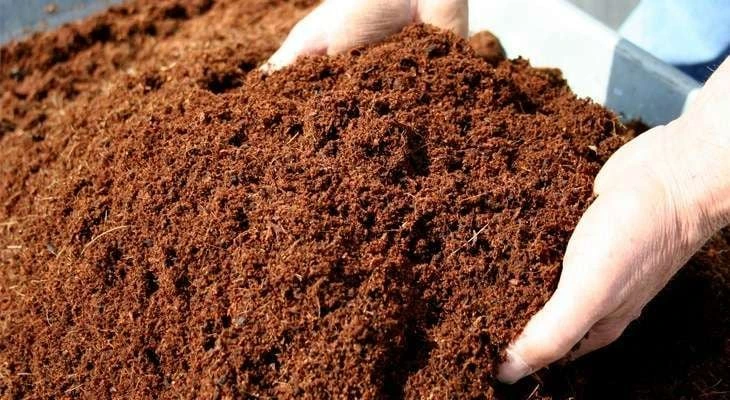
In recent years, sustainable and renewable materials have gained attention in the agricultural and landscaping sectors. One innovative product making waves is the coir slab, a versatile growing medium derived from coconut fibers. Coir slabs offer exceptional moisture retention, aeration, and root support, making them a preferred choice for nurseries, greenhouses, and home gardeners alike.
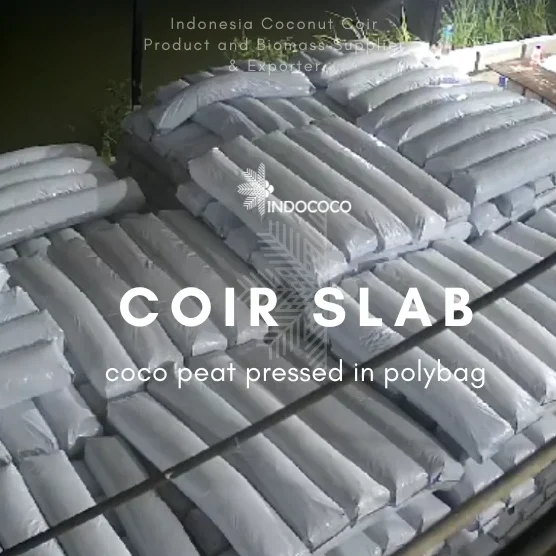
manufactured by compressing processed coconut fibers into rectangular or block forms. This structure provides a stable and consistent medium for plant growth. Unlike soil or synthetic alternatives, this product are renewable, biodegradable, and lightweight, supporting eco-conscious gardening practices. Their adaptability makes them suitable for a wide range of crops and environments.
Coir Slab Uses in Horticulture and Greenhouses
Nurseries and greenhouse operators increasingly rely on coir slabs for growing flowers, vegetables, and herbs. The slabs provide uniform water distribution and prevent waterlogging, which can damage delicate roots. Plants grown in coir slabs often exhibit stronger root systems and improved overall health compared to traditional soil-based methods.
Simplify transplanting processes. Seedlings can be moved directly into larger containers or garden beds without disturbing the roots. This reduces transplant shock and enhances survival rates. Their standardized dimensions make particularly convenient for commercial production lines and automated systems.
Benefits of Using Coir Slabs
One of the most significant advantages of coir slabs is their ability to retain moisture while maintaining proper aeration. Excess water drains efficiently, preventing root rot, while sufficient oxygen reaches plant roots for optimal growth. This balance promotes vigorous development and healthy foliage.
The lightweight nature of coir slabs makes them easy to transport and handle. They are ideal for rooftop gardens, balconies, and urban farming setups where space and weight limitations exist. Additionally, this product are free from harmful chemicals, making them compatible with organic farming practices and environmentally responsible cultivation.
Coir Slabs in Landscaping and Indoor Gardening
Beyond greenhouse applications, coir slabs are increasingly utilized in landscaping projects. They can be placed in raised garden beds or vertical gardens to support ornamental plants, climbing vines, and groundcover species. Their water retention capacity reduces the frequency of irrigation, saving time and resources.
Indoor gardeners benefit because they provide a clean, soil-free growing medium. Slabs reduce mess while allowing precise control over nutrients and watering schedules. This versatility ensures strong root establishment and healthy plant growth even in confined indoor spaces.
Environmental Advantages of Coir Slabs
Sustainability is at the core of production. Derived from coconut husks, which are agricultural byproducts, this product convert waste into high-value growing media. Unlike synthetic materials, they decompose naturally over time, enriching the soil with organic matter.
The renewable nature of coconuts ensures a steady supply of raw material without deforestation or ecosystem disruption. By choosing this product, growers contribute to circular production systems and environmentally friendly cultivation methods. This reduces the ecological footprint of modern horticulture.
How to Use Coir Slabs Effectively
Using coir slabs requires proper hydration and preparation. Before planting, slabs should be soaked in water until fully expanded. This ensures even moisture distribution throughout the fibers. Nutrients can be added either directly to the slab or through a controlled irrigation system to support optimal plant growth.
Spacing and stacking slabs carefully prevents over-crowding and allows adequate airflow between plants. Regular monitoring of moisture levels and nutrient availability ensures plants remain healthy. Also support companion planting and intercropping techniques, enhancing biodiversity and productivity.
Choosing Quality Coir Slab Suppliers
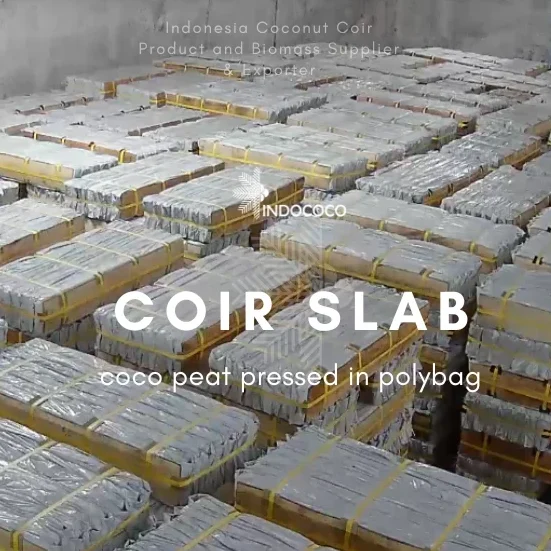
Selecting reputable suppliers is crucial to ensure consistent quality. High-grade coir slabs feature uniform fiber density, low salinity, and proper pH levels. Certified suppliers often provide bulk options for commercial growers and tailored sizes for specific applications.
Reliable suppliers also offer guidance on storage, hydration, and nutrient management. Transparent communication and product documentation reduce the risk of underperforming slabs. Partnering with experienced suppliers ensures the best results for both large-scale horticulture and small garden projects.
Conclusion: Coir Slabs as a Modern Growing Solution
Coir slabs combine practicality, sustainability, and efficiency, making them ideal for horticulture, landscaping, and indoor gardening. Their moisture retention, aeration, and lightweight properties provide excellent support for plant roots. By choosing coir slabs, growers reduce environmental impact while enhancing productivity.
Whether for commercial greenhouses, urban gardens, or decorative landscaping, coir slabs offer reliable and eco-friendly growing solutions. High-quality slabs from trusted suppliers ensure consistent performance and long-term benefits. Investing in this product is a step toward sustainable cultivation practices and healthier plants.
If you are ready to explore high-quality coir slab from a reliable Indonesian supplier, Indonesia Coco Peat is here to help. We provide premium coconut husk, coco peat, and coconut fiber solutions tailored to your industry needs.
Contact Indonesia Coco Peat today to request product details, samples, or a custom quotation. Let us support your business with sustainable coconut husk solutions that deliver performance and environmental value.
For more information about the coir slab, you can contact via WhatsApp (+62) 812-1233-3590 or by email at [email protected].