
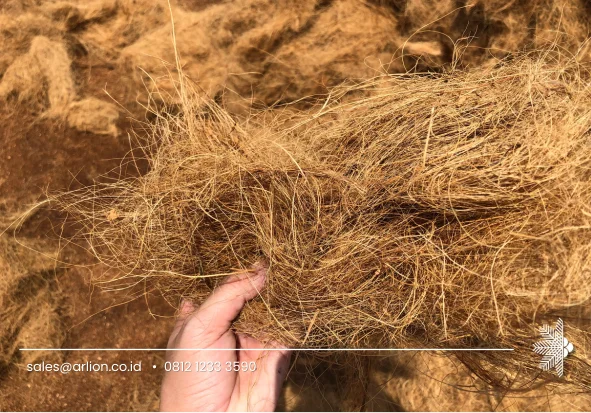
Coconut Fiber for Agriculture has become increasingly popular among farmers and horticultural businesses seeking environmentally friendly cultivation materials. Derived from coconut husks, coconut fiber is a renewable resource that offers excellent physical properties for supporting plant growth. Its durability, moisture retention, and biodegradability make it suitable for a wide range of agricultural applications.
As sustainable farming practices continue to expand worldwide, agricultural industries are looking for alternatives to conventional materials. Coconut fiber provides an effective solution because it utilizes agricultural byproducts while reducing environmental impact. This natural material supports efficient resource management and contributes to long-term soil improvement.
Why Coconut Fiber for Agriculture Is Gaining Popularity
The demand for Coconut Fiber for Agriculture has increased because growers recognize its numerous benefits. One important advantage is its ability to retain water while maintaining sufficient air circulation around plant roots. This balance creates favorable conditions for healthy root development and efficient nutrient absorption.
Unlike some traditional growing materials, coconut fiber decomposes slowly. Its stable structure allows it to maintain physical integrity for extended periods, making it suitable for long-term cultivation systems. Farmers can rely on its performance across multiple planting cycles.
Another reason for its growing popularity is sustainability. Coconut husks are renewable byproducts generated during coconut processing. Transforming these materials into agricultural products helps reduce waste and supports circular economy principles.
Coconut Fiber for Agriculture in Soil Improvement
One of the most valuable applications of Coconut Fiber for Agriculture is soil enhancement. Coconut fiber improves soil structure by increasing porosity and promoting better water distribution. This helps create healthier conditions for plant roots.
In sandy soils, coconut fiber helps retain moisture more effectively. Plants can access water for longer periods, reducing the frequency of irrigation. This characteristic is particularly beneficial in areas facing water limitations.
For heavy soils with poor drainage, coconut fiber improves aeration and minimizes compaction. Better oxygen availability encourages stronger root systems and supports overall plant development.
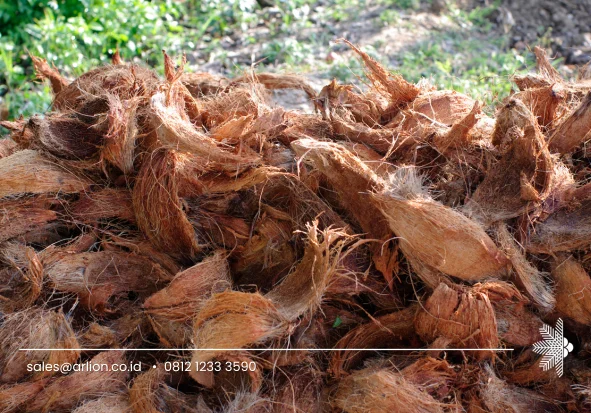
Coconut Fiber for Agriculture in Hydroponics and Greenhouses
Hydroponic growers frequently use Coconut Fiber for Agriculture because it provides excellent support for soilless cultivation systems. The material retains moisture efficiently while allowing excess water to drain properly. This balance helps maintain stable growing conditions.
Greenhouse operations also benefit from the use of coconut fiber. Vegetables, fruits, herbs, and ornamental plants can thrive in substrates containing coconut fiber because roots receive both water and oxygen in appropriate proportions.
Another advantage is consistency. Properly processed coconut fiber offers uniform texture and predictable performance, allowing growers to manage cultivation systems more efficiently. Consistent growing media contribute to stable crop yields.
Environmental Benefits of Coconut Fiber for Agriculture
Sustainability is one of the strongest reasons behind the increasing use of Coconut Fiber for Agriculture. Coconut fiber originates from renewable coconut resources and utilizes materials that might otherwise become agricultural waste. This process creates additional economic value while supporting responsible resource utilization.
Unlike synthetic products, coconut fiber is biodegradable and naturally decomposes over time. Its organic composition reduces the environmental burden associated with nonrenewable materials.
The use of coconut fiber can also contribute to improved water efficiency. Its moisture-retention capability helps reduce excessive irrigation requirements, allowing farmers to use water resources more responsibly.
Choosing Quality Coconut Fiber for Agriculture
Selecting suitable Coconut Fiber for Agriculture products requires attention to quality standards. Proper processing ensures that the fiber is clean, uniform, and free from excessive impurities. Consistent quality contributes directly to better cultivation performance.
Moisture content and fiber composition should match the intended agricultural application. Some crops may require finer materials, while others perform better with coarser textures. Understanding crop requirements helps growers choose the appropriate product.
Working with experienced suppliers provides additional advantages. Reliable suppliers can offer technical information, customized specifications, and consistent product availability. This support helps growers maintain efficient operations.
Conclusion: Coconut Fiber for Agriculture Supporting Sustainable Farming
Coconut Fiber for Agriculture offers a practical and environmentally responsible solution for modern cultivation systems. Its excellent moisture retention, soil improvement capabilities, and versatility make it valuable for both traditional farming and advanced growing methods. From hydroponic operations to soil enhancement projects, coconut fiber continues to support healthier crops and improved productivity.
As global agriculture increasingly embraces sustainable practices, coconut fiber will remain an important resource for growers worldwide. By utilizing renewable materials and improving cultivation efficiency, coconut fiber contributes to a more productive and environmentally conscious agricultural future.
If you are ready to explore high-quality coconut fiber from a reliable Indonesian supplier, Indonesia Coco Peat is here to help. We provide premium coconut husk, coco peat, and coconut fiber solutions tailored to your industry needs.
Contact Indonesia Coco Peat today to request product details, samples, or a custom quotation. Let us support your business with sustainable virgin coconut oil solutions that deliver performance and environmental value.
For more information about the rice husk, you can contact via WhatsApp (+62) 812-1233-3590 or by email at [email protected].