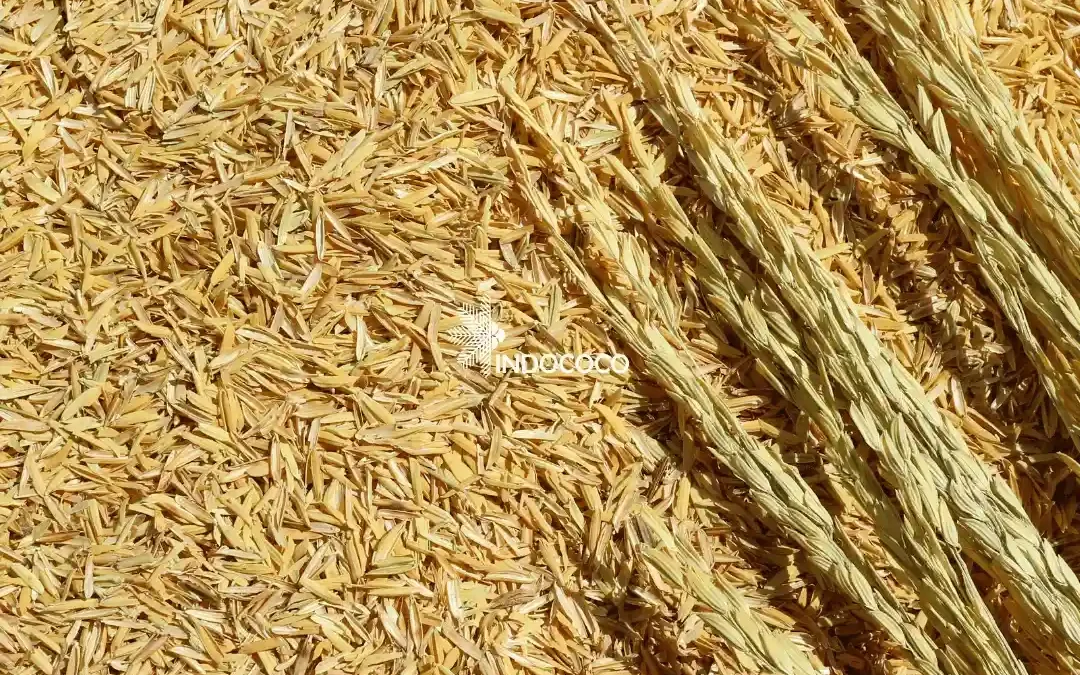
Rice is one of the most widely consumed staple foods worldwide, especially across Asia and developing agricultural regions. During rice milling, the outer protective layer of the grain is removed, producing rice husk as a byproduct. Although once considered waste, rice husk now holds significant economic and environmental value.
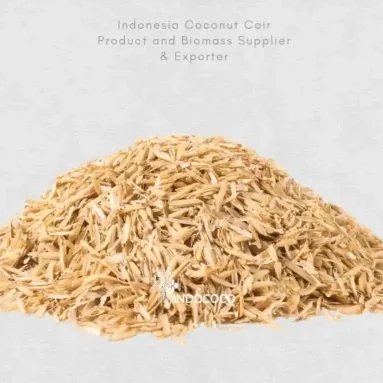
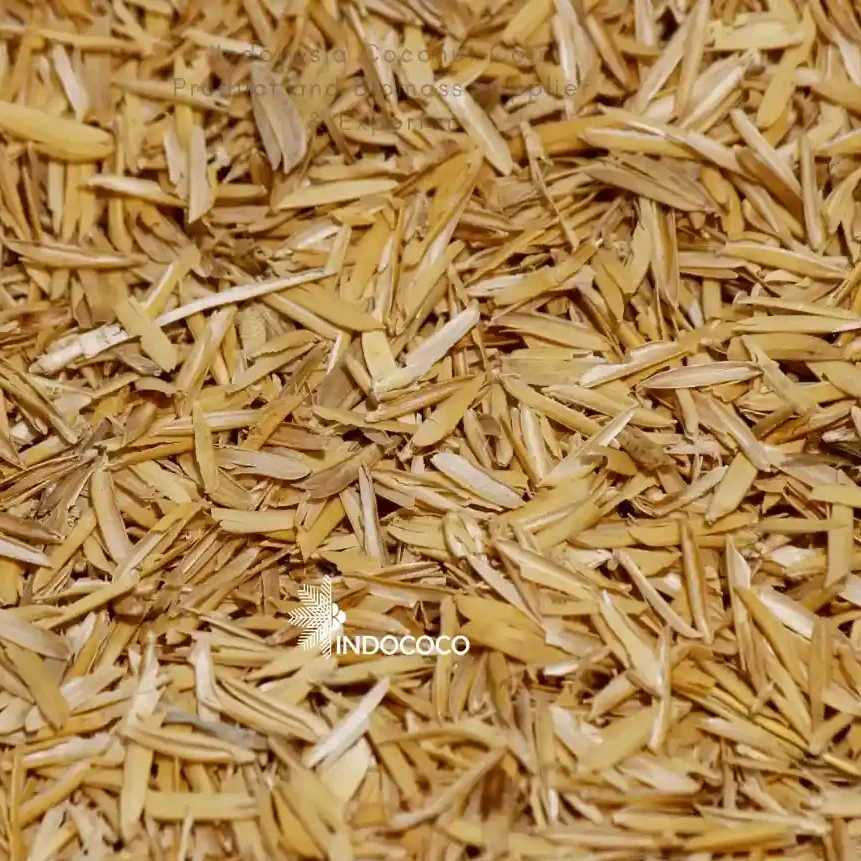
Rice husk consists of tough natural fibers that protect the rice grain during growth and harvesting stages. Its unique composition includes silica, cellulose, and lignin, which provide strength and durability. Because of these characteristics, rice husk can be reused in multiple industries instead of being discarded. Today, many sectors recognize rice husk as a sustainable material with diverse applications.
Rice Husk in Agriculture and Soil Improvement
Farmers commonly utilize rice husk as a soil amendment to improve agricultural productivity and soil structure. The material helps loosen compacted soil, allowing better airflow around plant roots. Improved soil aeration encourages stronger root systems and healthier crop development over time.
This product also enhances soil drainage and water retention simultaneously. Its porous structure allows excess water to drain away while retaining enough moisture for plant growth. As a result, crops remain protected from waterlogging and drought stress during fluctuating weather conditions.
Rice Husk as a Renewable Energy Source
Energy production represents another important use for this product in modern industries. Because the husk contains high carbon content, it can serve as an efficient biomass fuel. Power plants in several agricultural countries utilize this product to generate electricity and heat.
This product combustion produces energy while reducing agricultural waste accumulation. Instead of burning rice residues in open fields, industries can convert them into useful energy resources. This approach minimizes environmental pollution and supports more sustainable energy production methods.
Rice Husk in Construction and Building Materials
The construction industry has discovered several innovative ways to utilize this product and its ash derivatives. Rice husk ash contains reactive silica, which can strengthen cement and concrete mixtures. When blended into cement, the ash improves durability and resistance to environmental stress.
Builders sometimes incorporate rice husk ash as a partial replacement for traditional cement materials. This substitution reduces construction costs and lowers carbon emissions associated with cement manufacturing. Additionally, the improved concrete properties contribute to longer-lasting infrastructure.
Environmental Benefits of Rice Husk Utilization
The increasing use of rice husk helps address environmental challenges related to agricultural waste management. Rice production generates millions of tons of husk every year worldwide. Without proper utilization, this material can accumulate and cause disposal issues.
By converting this product into useful products, industries reduce the environmental impact of waste disposal. Recycling agricultural residues also supports circular economy principles. Materials that were once discarded now contribute to valuable manufacturing and energy processes.
Industrial Innovations Using Rice Husk
Recent technological developments have expanded the industrial uses of this product beyond traditional applications. Scientists and engineers are exploring new ways to transform this product into high-value products. These innovations aim to maximize the economic potential of this agricultural byproduct.
One promising development involves extracting silica nanoparticles from rice husk ash. These particles can be used in electronics, coatings, and advanced material manufacturing. Because this product contains naturally high silica levels, it provides a cost-effective source for these specialized materials.
Conclusion: The Growing Importance of Rice Husk
This product has transformed from an overlooked agricultural byproduct into an important resource for many industries. Its applications now extend across agriculture, renewable energy, construction, and advanced material manufacturing. These diverse uses highlight the versatility and sustainability of this natural material.
By utilizing this product effectively, industries reduce waste while supporting environmentally responsible production systems. The material’s renewable origin, combined with its useful physical properties, makes it a valuable component of sustainable development strategies. As technology advances and sustainability becomes more critical, this product will continue playing a significant role in future industrial innovation.
If you are ready to explore high-quality rice husk from a reliable Indonesian supplier, Indonesia Coco Peat is here to help. We provide premium coconut husk, coco peat, and coconut fiber solutions tailored to your industry needs.
Contact Indonesia Coco Peat today to request product details, samples, or a custom quotation. Let us support your business with sustainable virgin coconut oil solutions that deliver performance and environmental value.
For more information about the rice husk, you can contact via WhatsApp (+62) 812-1233-3590 or by email at [email protected].